Design for Manufacturing (DFM) or Design for Manufacture and Assembly (DFM/A) is a set of design practices specific to technology, aimed at reducing costs and complexity of parts or products, making them easier and more cost-effective to manufacture, while minimizing excessive rework later on
The further along the design is in the product development process, the higher the costs of making changes will be. Therefore, addressing design issues early on is crucial
Modern tools that transform the DFM process
Engineers' tools have advanced significantly over the past decades. Advanced tools like 3D printers help bridge the gap between design and manufacturing, improving workflows and accelerating the DFM process to be easier and faster
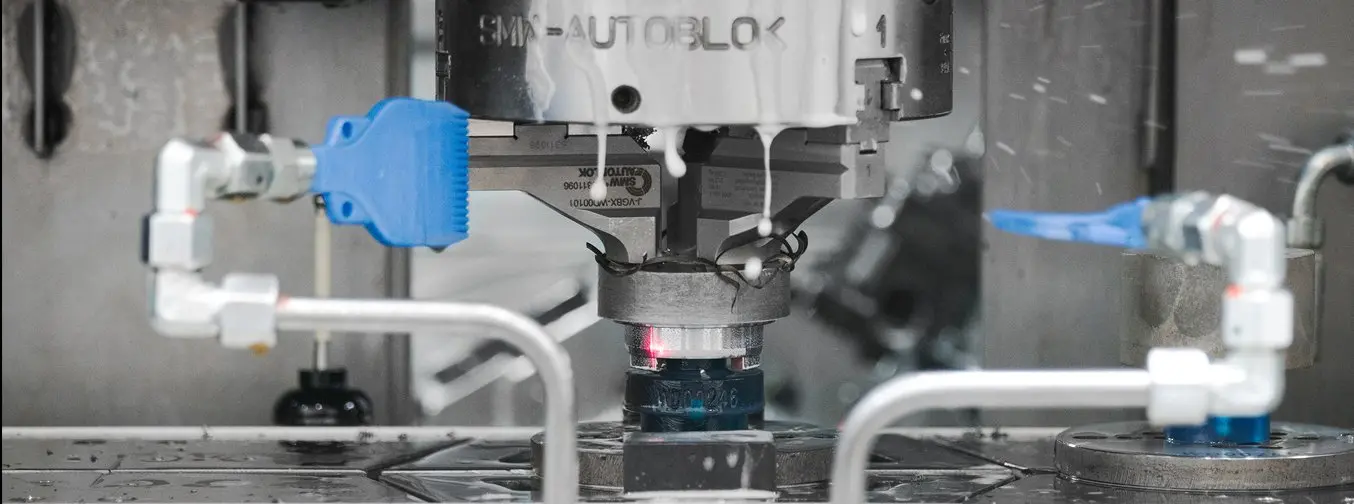
Why Design for Manufacturing
DFM helps reduce costs and time to market while significantly improving quality and reliability. DFM principles should always be considered when developing new parts or products
Additionally, analyzing existing parts to confirm they have been designed and manufactured efficiently can also yield good results
When designing for a specific manufacturing process or technology, DFM is about transforming shapes, mechanisms, and feature requirements into something that can be practically manufactured and assembled using industrial machinery
At a deeper level, DFM/A aims not only to make parts manufacturable but also to ensure they can be produced consistently according to the original engineer's specifications, with low mold costs, low per-piece costs, high production speeds, and minimal waste rates
In practice, the DFM process often resembles a compromise between design intent and the constraints or realities of cost-effective mass production
General DFM rules and principles
The following 5 factors should be considered in the design process:
Process: Choose the appropriate manufacturing process, as it will dictate the direction of the design
Design: Follow the design guidelines of the selected primary manufacturing process
Material: Design products to align with the chosen materials, as each type of material has different manufacturing requirements
Testing: Design parts to be easily inspected and tested
Although DFM heavily depends on the manufacturing process, the following rules and best practices always apply, regardless of the type of parts or technology:
Minimize part count
Using fewer parts helps reduce costs and increase efficiency from production to logistics. Reducing the overall number of parts will simplify assembly, make inspection and testing easier, and lower initial tooling costs. Parts that need to be assembled together should be combined into a single piece whenever possible.
Use standard components
Reduce the number of parts that need to be custom manufactured and replace them with standard off-the-shelf components to help lower BOM (Bill of Materials) costs, reduce sourcing time, and simplify procurement.
Design multi-functional parts
A single part can serve multiple functions, such as being both structural and aiding in heat dissipation, or assisting in secondary functions like alignment, fixturing, or assembly.
Design parts for use across product lines
Some parts can be used across multiple products, whether they serve similar or different functions. If a company has multiple related products, existing parts should be utilized to reduce the need for new part production.
Determine acceptable fit and finish range
Final processes such as painting, surface finishing, turning, or controlling very tight tolerances will increase production costs and may not be necessary depending on actual use. It should be determined which dimensions are truly important and relax those that are not to control production costs and quality inspection.
Facilitate handling
Parts should be designed to be assembled from a single direction, preferably from above in a vertical orientation to take advantage of gravity. Design parts to be symmetrical to prevent incorrect orientation or the need for special sensors/mechanisms for alignment. If symmetry cannot be achieved, design to be clearly asymmetrical and include guiding features to reduce errors.
Design for fixturing
Consider the manufacturing process to design parts that can be easily held. Parts designed for automated assembly should have registration features, as machines and automated equipment need to securely hold the workpiece in position.
Design for the ease of alignment
Size tolerances and precision of parts can lead to assembly errors and may cause damage to parts or machinery. Features should be designed to facilitate easy alignment, such as tapers, chamfers, and appropriate radii.
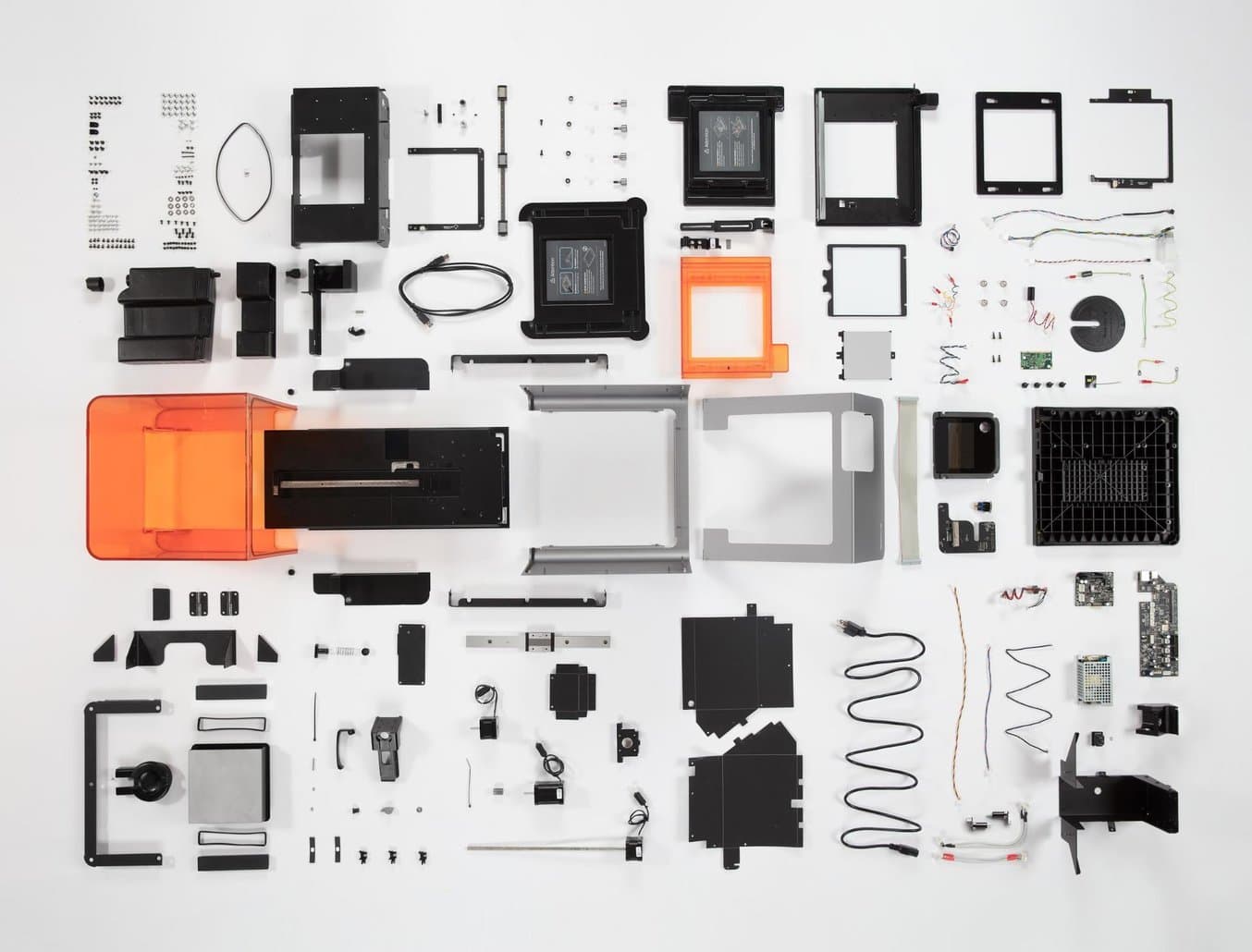
DFM considerations based on manufacturing technology
The decision to choose the appropriate design approach and trade-offs depends on the scale of production, budget, and the importance of maintaining design intent.
CNC Machining
While CNC machining is an excellent process for prototyping or low-volume production (fewer than 1000 pieces) with high margins, it is not suitable for consumer goods produced in high volumes due to high costs. Finding alternative processes for producing metal parts, such as metal casting or forming, can help reduce costs, but will require redesigning the parts.
Injection Molding
Generally, designers should replace fasteners (such as screws) in injection molded parts with tabs or snap fits whenever possible, as fasteners require handling and feeding processes, which increase production time and costs.
However, if produced in low volumes, using fasteners may have a lower overall cost, as adding mechanisms in the mold, such as cams and slides to create snap fits, will increase mold costs.
Parts produced with injection molding often have marks in certain areas from ejector pins used to push the part out of the mold. While most of these marks can be hidden, the product development team must decide whether the increased cost is worth it or if they will accept these marks in areas that are internal or not visible on the part.
Summary
Each type of manufacturing process has its own limitations, including best practices and specific techniques that help maximize the utility of parts at the lowest cost. Therefore, it is essential to study the specific DFM rules and guidelines for the manufacturing process and consult contract manufacturers for the best results.
Accelerate and simplify DFM with 3D Printing
3D printing is continuously playing a larger role in the manufacturing industry. Custom production aids, such as jigs, fixtures, and other tools printed in 3D, are widely used in production lines.
Low to medium volume production is becoming feasible through automated printer cells. As professional-grade machines become more affordable, companies can increasingly access the benefits of this technology.
In many cases, 3D printing is also used to complement traditional manufacturing processes, such as creating castable parts, low-volume molds, or custom tooling for production.
Product Development
Evaluating design decisions using only CAD models can be challenging. Designers sometimes hesitate to prototype due to the high cost and time involved in producing a single part or assembly using traditional materials and processes.
3D printing technology makes prototyping easier. Designers can obtain highly realistic (high-fidelity) and functional parts within a few hours, at a fraction of the cost compared to traditional prototyping.
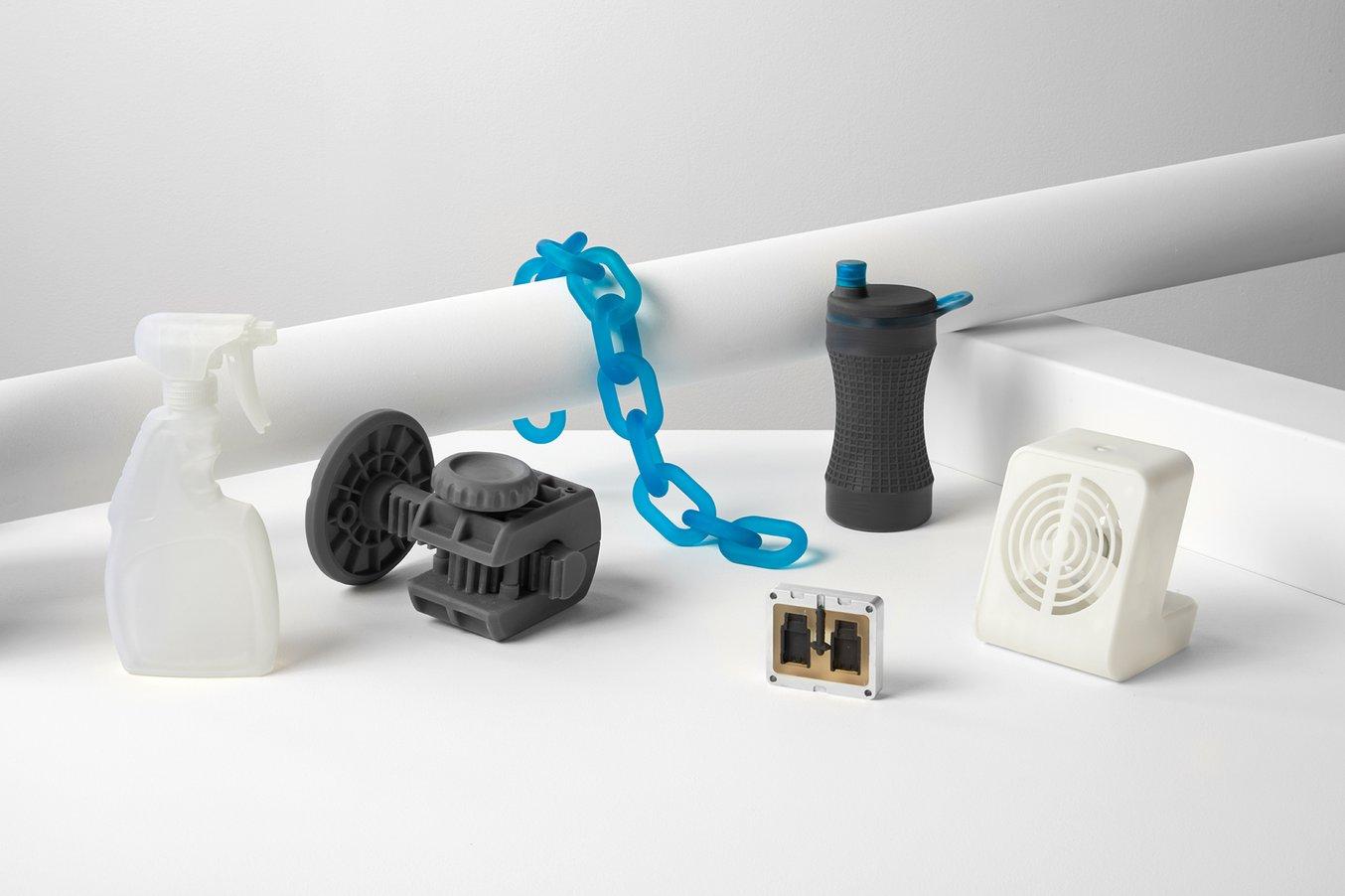
Surrogate Parts
Surrogate parts are temporary parts used to evaluate specific functional aspects of the design and fine-tune the final manufacturing process before mass production, which helps reduce the risk of discovering late-stage issues where parts or processes do not perform as intended.
3D printed surrogate parts can replace expensive parts or parts that are not yet available, saving production time by weeks or months.
Factors that can be evaluated with surrogate parts include:
- Production: Quality of parts obtained from the manufacturing process, especially complex processes such as injection molding or overmolding
- Assembly: Interaction of parts with other components
- Serviceability: Convenience of maintaining parts or assemblies
- Installation: Ease of installing parts
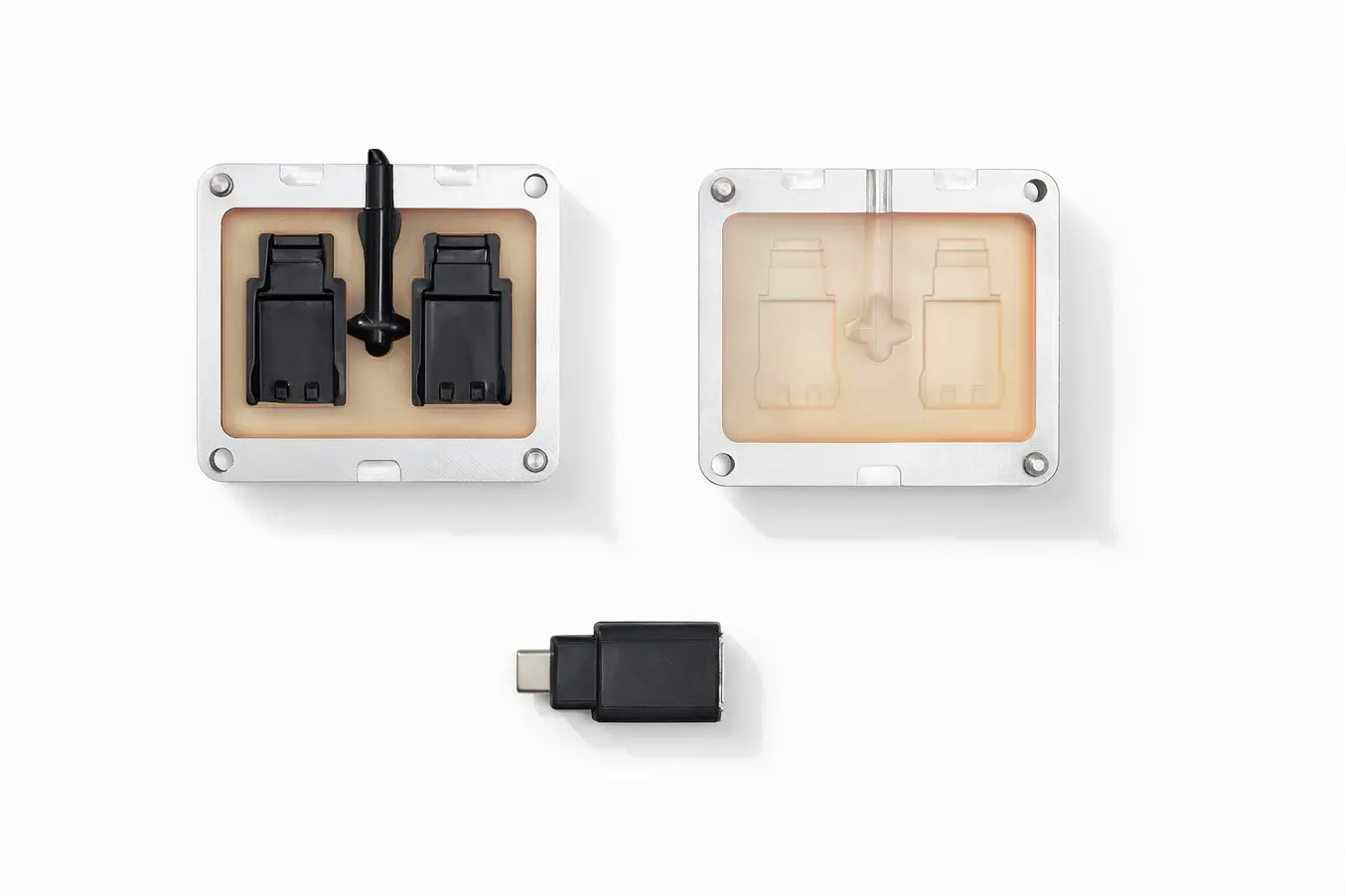
Low-Volume Injection Molds
Certain types of materials in the SLA process that are heat-resistant can be used to produce injection molds for low-volume production, and these molds can be used to:
- Testing designs from a DFM perspective
- Testing mold tooling configurations
- Material testing
- Produced in small quantities
Designers can print multiple versions of molds for testing, using significantly less cost and time than producing molds through machining or traditional methods.
Custom Manufacturing
When it comes to producing custom parts in limited quantities, traditional processes such as injection molding are often not cost-effective due to high tooling costs.
With design freedom and material properties including rapidly developed performance, 3D printing is increasingly used in the production of custom real parts, with fewer manufacturing limitations than traditional production methods.
 |
Details of the Formlab form4 SLA machine Click Check price Click |
 |
Details of the Formlab Fuse 1+ 30W machine SLS Click Check price Click |
References
https://formlabs.com/blog/design-for-manufacturing-with-3d-printing/